
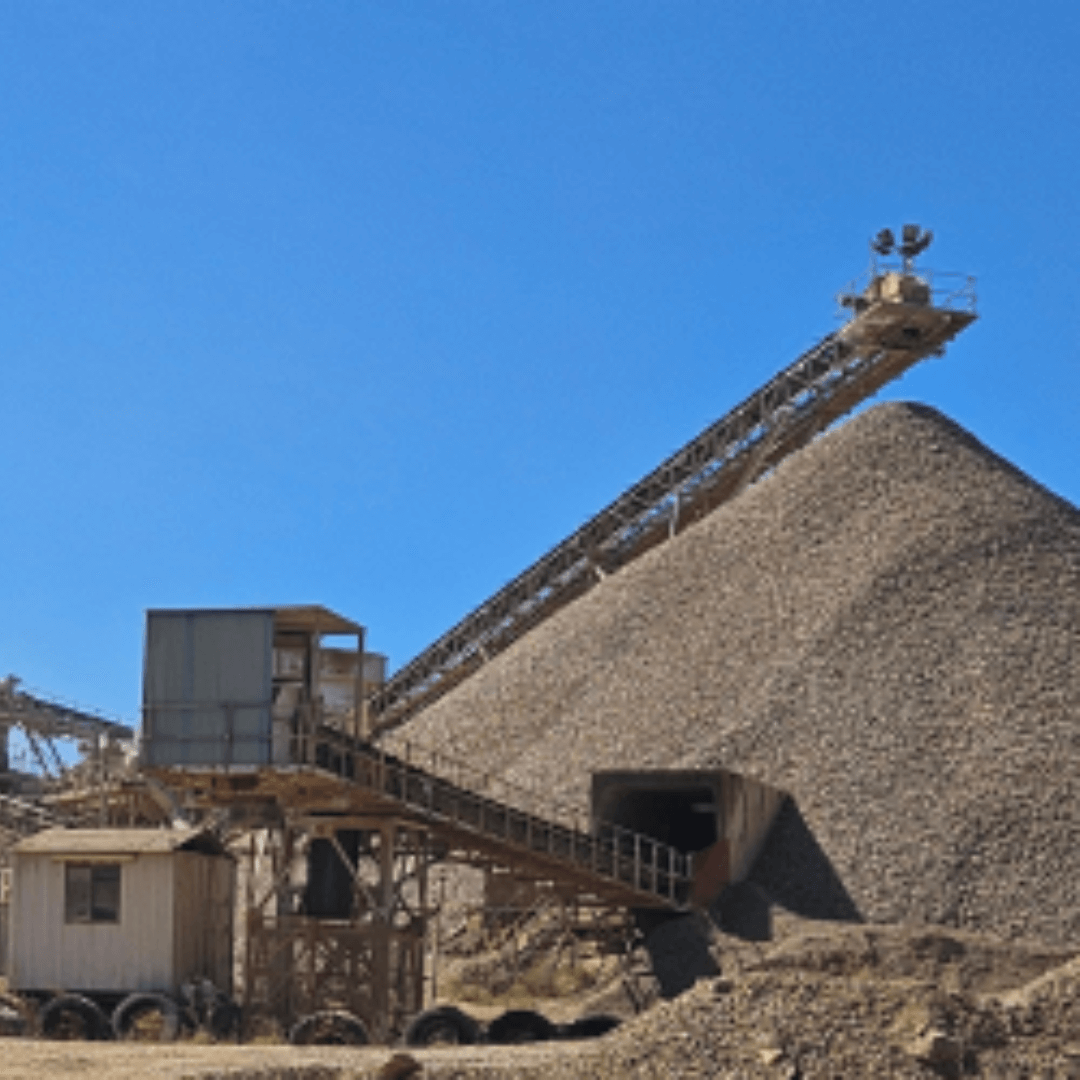
Dolomitic lime, a mineral product derived from dolomite rock, plays a fundamental role in agriculture, construction, water treatment, and steelmaking. Understanding how dolomitic lime is mined, the geological systems that form it, and the logistics of transporting it, offers insight into a resource that quietly supports many modern industries.
Globally, significant dolomite reserves exist in countries such as South Africa, the United States, India, China, and parts of Europe. In South Africa, for example, the Limpopo and Northwest Provinces host extensive dolomitic formations that have supported lime and aggregate industries for decades.
Dolomitic lime mining represents a well-co-ordinated blend of geology, engineering, and logistics. From its formation in ancient marine sediments to its extraction in open-pit quarries and delivery to global industries, each stage reflects a deep interplay between natural processes and human ingenuity.
Industrial mines
Dolomitic lime is extracted from surface or open-pit mines, which are classified under industrial mineral mines rather than metallic or energy resource mines. These mines typically fall into the quarrying category, since dolomite deposits are usually located near the earth’s surface and occur in large, uniform layers. Unlike deep metal mining, where ore bodies are narrow and require underground excavation, dolomite formations are expansive, making surface mining both practical and economical.
- Step One: The mining process begins with extensive geological surveying and mapping, identifying the quality, thickness, and purity of the dolomite layer. Once confirmed, the overburden – the soil and rock overlaying the deposit – is removed using earth-moving equipment such as bulldozers, excavators, and loaders. Controlled drilling and blasting may be used to fragment the rock for easier handling, though some operations prefer mechanical ripping to minimise environmental vibration and dust.
- Step Two: After extraction, the dolomite rock is transported to on-site crushing plants, where it is reduced to various sizes depending on its end use. Coarse material may go directly to construction applications, while finer material is calcined – a process where it is heated in kilns to drive off carbon dioxide and produce dolomitic quicklime. Hydration processes can then convert this to dolomitic hydrated lime, which is a fine, dry powder used in soil stabilisation and environmental applications.
Environmental concerns in mining operations
Operationally, dolomitic lime mining requires attention to dust control, water runoff management, and reclamation planning. Dust suppression systems and vegetation buffers are standard practices, while mined-out areas are gradually rehabilitated to restore ecological balance. Safety protocols are also paramount, as quarrying involves heavy machinery, explosives, and potential slope instability.
Geological formation and identification of deposits
Dolomite rock, the parent material of dolomitic lime, forms through specific sedimentary processes that transform existing limestone deposits into magnesium-rich carbonate rock. The process, known as dolomitisation, occurs when magnesium-rich groundwater percolates through calcium carbonate sediments (limestone), gradually replacing part of the calcium with magnesium ions. This chemical exchange results in the distinctive double carbonate structure of dolomite.
Geologically, dolomite deposits are often found in ancient marine basins – regions that were once shallow seas. Over millions of years, these environments accumulated carbonate sediments, which later underwent dolomitisation during episodes of seawater evaporation or groundwater movement. Dolomitic formations are typically interbedded with limestone layers, making careful geochemical analysis and core sampling essential for distinguishing high-grade dolomite from lower-grade carbonate rocks.
Exploration geologists use a combination of remote sensing, geological mapping, and drilling to locate dolomite reserves. Key indicators include:
- Stratigraphic position: Dolomite often occurs within carbonate sequences from the Precambrian to the Cenozoic eras.
- Rock texture and colour: Dolomite has a crystalline texture, often with a slightly pearly lustre and light grey to buff colour.
- Chemical assays: Laboratory analysis confirms the Calcium Oxide / Magnesium Oxide ratio, purity, and the presence of impurities like silica, alumina, or iron oxides, which can affect the material’s industrial suitability.
Processing and industrial value
- Once mined, dolomite undergoes beneficiation and processing to tailor it for specific markets.
- Agricultural-grade dolomitic lime is finely ground to increase its reactivity when applied to acidic soils.
- In metallurgical operations, calcined dolomite is used as a fluxing agent, helping to remove impurities from molten metals.
- The construction industry utilises both raw and processed forms in producing cement, concrete aggregate, and stabilising roadbeds.
- Environmental industries also depend on dolomitic lime for water treatment, where it neutralises acidity in mine drainage and industrial effluents.
Transportation and logistics
Transportation is a crucial element of the dolomitic lime supply chain, as the material’s value often depends on its delivered cost. Because it is a low-value, high-bulk commodity, efficient logistics are essential to maintain competitiveness. Road haulage is most common by dump trucks or bulk trailers from quarries to nearby processing plants or farms. For environmental compliance, companies increasingly employ weighbridge monitoring systems and GPS tracking to optimise loads and reduce carbon emissions.
Maintaining the industry’s highest standards
Lime Sales Ltd is one of the leading producers and suppliers of dolomitic limestone and various aggregate products in the Western Cape. Meeting the highest industry standards, we have been mapping, mining and moving dolomite to the agricultural, construction and civil construction industries since 2003. Exceptional year-on-year growth has advanced the company to become the supplier of choice to the agricultural lime market in the Western Cape .
Find out more at: www.limesalessa.co.za
Contact us today or visit our website to learn more about our range of high-quality agricultural or civils/construction products.


.svg)


